
Light Is a Material, Too
Light does more than reveal an interior. It gives rooms their rhythm, depth, and emotional character throughout the day.
Date
Time
7 min read
Category
Light & Space
It is easy to think of light as something added to a room at the end — a technical layer that makes the furniture visible after the design is complete. In practice, light is one of the first materials we consider. It changes the scale of a space, the temperature of a color, and the way a person moves through the day.
A room has more than one daylight
Morning light is directional and often cool. Afternoon light travels deeper and begins to warm. In the evening, the same room depends on smaller, more deliberate sources: a lamp beside a chair, a glow beneath a cabinet, or a pendant that gathers people around a table. Each condition asks the interior to behave differently.
When we study a space, we try to understand these changes rather than designing for a single perfect moment. A color that looks balanced at noon may become flat after sunset. A beautiful view can disappear when glare is left untreated. Good interiors are prepared for the whole day, not just the photograph.
Shadow gives a room its depth
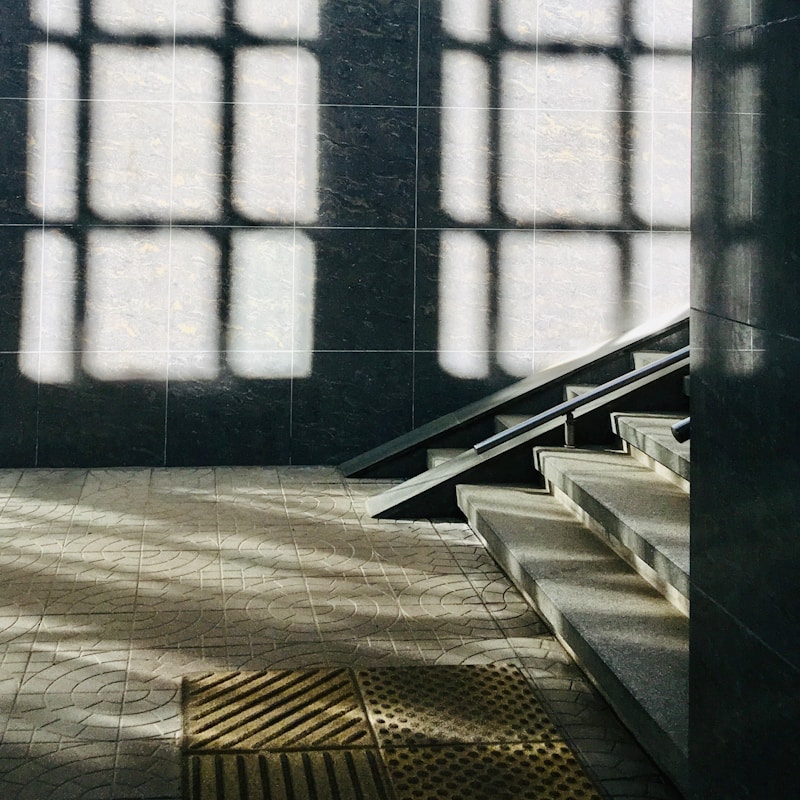
Brightness is not the same as comfort. A room with light coming from every direction can feel exposed and strangely shallow. Shadows create the pauses that allow the eye to rest. They give a doorway weight, make a wall feel closer, and help a small pool of light become meaningful.
This is why we prefer layered lighting to a single uniform wash. Different sources give people control over the mood of a room without requiring the room itself to change. A kitchen can be bright while it is being used, then soften around the edges when the work is done.
Designing for the hours between
The most memorable interiors often belong to the hours between clear states: just before sunrise, when a room is blue and quiet; late afternoon, when the floor holds a long band of gold; or the moment after dinner, when only a few lights remain on. These are not secondary conditions. They are often when a home feels most like itself.
Light becomes part of the architecture when it is given somewhere to land. It catches a textured wall, slips beneath a shelf, or frames a view without announcing itself. The goal is not to make every corner visible. It is to give each part of the room the right amount of presence for the life happening there.
Join Our Newsletter
Get occasional updates on new projects, design insights, and studio news, straight to your inbox, no clutter.
Date
Time
7 min read
Category
Light & Space
It is easy to think of light as something added to a room at the end — a technical layer that makes the furniture visible after the design is complete. In practice, light is one of the first materials we consider. It changes the scale of a space, the temperature of a color, and the way a person moves through the day.
A room has more than one daylight
Morning light is directional and often cool. Afternoon light travels deeper and begins to warm. In the evening, the same room depends on smaller, more deliberate sources: a lamp beside a chair, a glow beneath a cabinet, or a pendant that gathers people around a table. Each condition asks the interior to behave differently.
When we study a space, we try to understand these changes rather than designing for a single perfect moment. A color that looks balanced at noon may become flat after sunset. A beautiful view can disappear when glare is left untreated. Good interiors are prepared for the whole day, not just the photograph.
Shadow gives a room its depth
Brightness is not the same as comfort. A room with light coming from every direction can feel exposed and strangely shallow. Shadows create the pauses that allow the eye to rest. They give a doorway weight, make a wall feel closer, and help a small pool of light become meaningful.
This is why we prefer layered lighting to a single uniform wash. Different sources give people control over the mood of a room without requiring the room itself to change. A kitchen can be bright while it is being used, then soften around the edges when the work is done.
Designing for the hours between
The most memorable interiors often belong to the hours between clear states: just before sunrise, when a room is blue and quiet; late afternoon, when the floor holds a long band of gold; or the moment after dinner, when only a few lights remain on. These are not secondary conditions. They are often when a home feels most like itself.
Light becomes part of the architecture when it is given somewhere to land. It catches a textured wall, slips beneath a shelf, or frames a view without announcing itself. The goal is not to make every corner visible. It is to give each part of the room the right amount of presence for the life happening there.
Join Our Newsletter
Get occasional updates on new projects, design insights, and studio news, straight to your inbox, no clutter.



Similar Templates