
The Materials That Make a Room Feel Quiet
A thoughtful interior is shaped by the way materials absorb sound, hold light, and make everyday life feel more grounded at Solum.
Date
Time
6 min read
Category
Materials
Some rooms feel calm before you can explain why. There is no single piece of furniture responsible for it, and usually no dramatic gesture. The feeling comes from the way surfaces meet, how sound is softened, and how light settles across materials that were chosen to age well.
Texture is part of the atmosphere
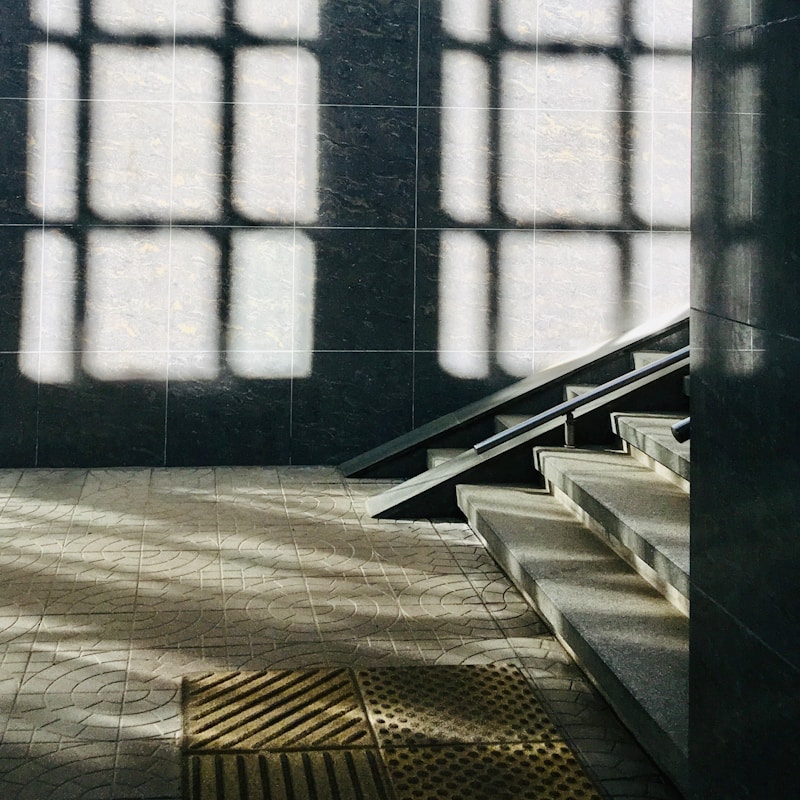
A polished stone floor, a wool rug, a timber wall, and a linen curtain all behave differently. They reflect, absorb, warm, or diffuse what moves through a room. These differences are easy to overlook when materials are selected as isolated samples, but they become unmistakable when the room is lived in.
This is why we study materials together rather than one at a time. A surface can be beautiful on its own and still create too much echo when repeated across a large space. A darker finish might seem heavy in a small sample, then become exactly what a bright room needs once daylight begins to move through it.
The value of a softer edge
Softness in an interior does not always mean plushness. Sometimes it is the quiet irregularity of a hand-finished plaster wall, the way oak catches a shadow, or the slight give of a fabric under your hand. These details stop a room from feeling overly resolved. They make it feel available to real life.
We are drawn to materials that reveal their character slowly. A stone that gains a patina, timber that deepens in color, and metal that records touch all make a room more personal over time. The space does not remain frozen at the moment of completion; it keeps a memory of the people who use it.
Quiet is designed, not empty
A quiet room is not an undecorated room. It is a room where the visual and acoustic decisions support one another instead of competing for attention. When materials are allowed to carry the atmosphere, fewer objects need to work so hard. The result is not minimalism for its own sake, but a space with enough restraint to let everyday life come forward.
The best materials do more than finish a surface. They shape the pace of a room, the way a morning begins, and the way a person feels after spending time there. That is the kind of quiet we look for — not silence, but ease.
Join Our Newsletter
Get occasional updates on new projects, design insights, and studio news, straight to your inbox, no clutter.
Date
Time
6 min read
Category
Materials
Some rooms feel calm before you can explain why. There is no single piece of furniture responsible for it, and usually no dramatic gesture. The feeling comes from the way surfaces meet, how sound is softened, and how light settles across materials that were chosen to age well.
Texture is part of the atmosphere
A polished stone floor, a wool rug, a timber wall, and a linen curtain all behave differently. They reflect, absorb, warm, or diffuse what moves through a room. These differences are easy to overlook when materials are selected as isolated samples, but they become unmistakable when the room is lived in.
This is why we study materials together rather than one at a time. A surface can be beautiful on its own and still create too much echo when repeated across a large space. A darker finish might seem heavy in a small sample, then become exactly what a bright room needs once daylight begins to move through it.
The value of a softer edge
Softness in an interior does not always mean plushness. Sometimes it is the quiet irregularity of a hand-finished plaster wall, the way oak catches a shadow, or the slight give of a fabric under your hand. These details stop a room from feeling overly resolved. They make it feel available to real life.
We are drawn to materials that reveal their character slowly. A stone that gains a patina, timber that deepens in color, and metal that records touch all make a room more personal over time. The space does not remain frozen at the moment of completion; it keeps a memory of the people who use it.
Quiet is designed, not empty
A quiet room is not an undecorated room. It is a room where the visual and acoustic decisions support one another instead of competing for attention. When materials are allowed to carry the atmosphere, fewer objects need to work so hard. The result is not minimalism for its own sake, but a space with enough restraint to let everyday life come forward.
The best materials do more than finish a surface. They shape the pace of a room, the way a morning begins, and the way a person feels after spending time there. That is the kind of quiet we look for — not silence, but ease.
Join Our Newsletter
Get occasional updates on new projects, design insights, and studio news, straight to your inbox, no clutter.



Similar Templates